Why Fabric Choice Matters More Than You Think
If you've ever finished sewing a dress only to find it doesn't drape the way you imagined — or worse, doesn't hold its shape — there's a good chance the fabric was the culprit. Choosing the right fabric is one of the most impactful decisions you'll make as a sewist, and it's one of the areas where beginners often feel the most lost.
The good news? You don't need to memorise every textile in existence. With a solid understanding of a few key fabric types, you'll be able to walk into any fabric store — or browse online — and make a confident, informed choice. In this guide, we'll cover the best fabrics for dresses, which ones to avoid as a beginner, and how to match fabric to your specific pattern style.
The Best Fabrics for Dresses (Beginner-Friendly)
1. Cotton — The Classic Choice
Cotton is the most beginner-friendly fabric in existence. It doesn't fray excessively, it holds its shape, it's easy to cut, and it behaves predictably under the sewing machine. Cotton is ideal for structured or semi-structured dress styles — think button-down dresses, A-line silhouettes, or anything with a defined waist.
Look for quilting cotton or cotton poplin for crisp, polished results, or cotton lawn if you want something with a softer, slightly sheer finish. Cotton is breathable, widely available, and comes in thousands of colours and prints — making it one of the most versatile choices for dressmaking.
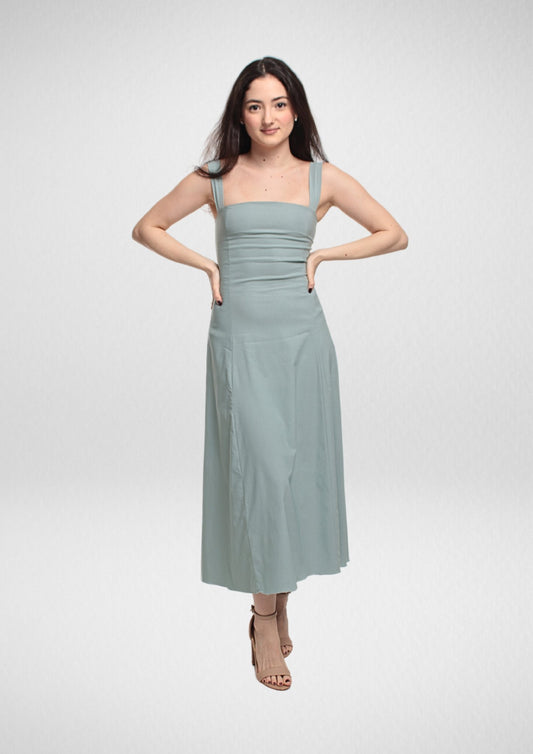
Best for: A-line dresses, button-down styles, structured bodices. Our Emma A-Line Maxi Dress looks stunning in a floral cotton or cotton lawn — it's the perfect first maxi dress project.
2. Linen — Effortlessly Elegant
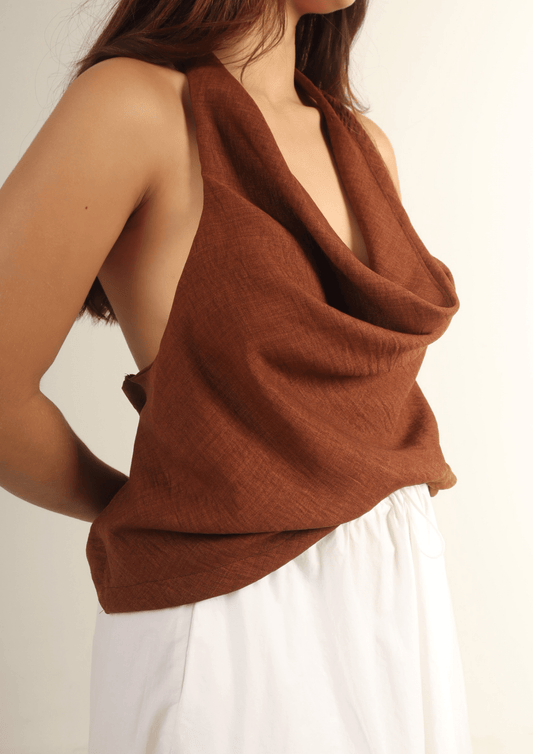
Linen has surged in popularity in recent years, and for good reason. It's breathable, beautiful, and has a natural texture that photographs beautifully. It does wrinkle easily (that's part of its charm), and it can fray more than cotton — so finishing your seams is important. But for beginners who take their time, linen is very manageable and incredibly rewarding.
Linen works especially well for relaxed, flowy silhouettes. It gives dresses and tops a casual elegance that looks intentional and chic. For summer sewing projects in particular, linen is a top choice.
Best for: Maxi dresses, midi dresses, wide-leg trousers, relaxed tops. It's the natural choice for our Eloise Linen Relaxed Top.
3. Viscose / Rayon — Drapey and Gorgeous
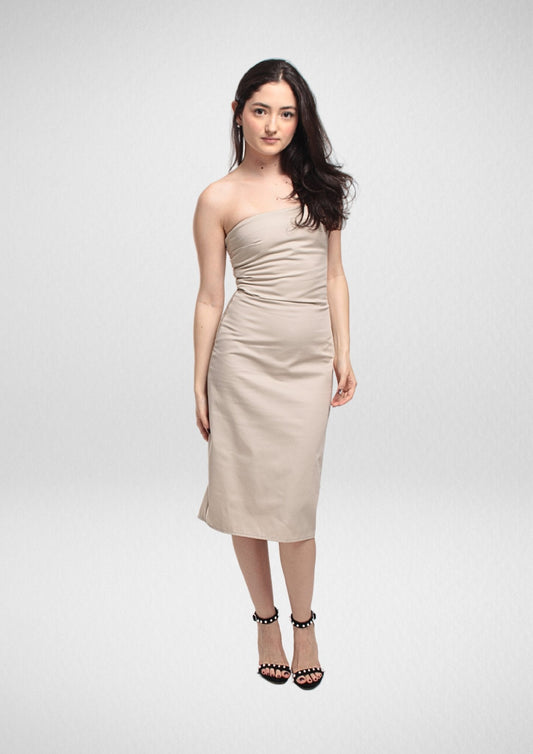
Viscose (also called rayon) is a semi-synthetic fabric that drapes like a dream. It's lightweight, fluid, and has a subtle sheen that makes it look far more expensive than it actually is. Viscose is perfect for bandeau dresses, strapless styles, and anything where you want the fabric to skim the body rather than stand away from it.
It does require a little more care than cotton — it can be slippery to cut (use pattern weights and a sharp rotary cutter), and it should be washed gently. But the results are absolutely stunning. If you want a dress that flows as you walk, viscose is the answer.
Best for: Bandeau dresses, strapless styles, midi and maxi lengths. Our Mia Bandeau Midi Dress is designed with a drapey fabric in mind — viscose or a viscose-linen blend will give you that effortless, flowing finish you see in the photos.
4. Jersey / Knit — Stretchy and Forgiving
Jersey is a knit fabric with stretch in one or both directions. It's forgiving on the body, comfortable to wear all day, and ideal for fitted silhouettes. However, it does require either a serger (overlocker) or a sewing machine with a stretch stitch, and the edges can curl — which makes it slightly trickier for absolute beginners.
If you're comfortable with the basics and ready for a small challenge, jersey is a wonderful fabric to work with. Look for jersey made from cotton, bamboo, or modal for the best drape and comfort.
Best for: Fitted dresses, casual everyday styles, tube tops and bandeau tops. Our Luna Tube Top pairs beautifully with a soft ribbed cotton jersey.
5. Chambray — A Denim Alternative
Chambray looks like lightweight denim but is much easier to sew. It has a lovely indigo-style colour and a slightly textured weave that adds visual interest without extra effort. It's structured enough to hold shape but not so stiff that it becomes hard to work with.
Chambray works beautifully for preppy, casual, or structured dress styles. It's a fantastic choice when you want something that looks put-together without being too formal.
Best for: Button-down styles, structured midis. Try it with our Rose Button-Down Dress for a classic, effortless look.
Fabrics to Avoid as a Beginner
Some fabrics are absolutely beautiful but notoriously difficult to work with. As a beginner, it's worth saving these for when you have a bit more experience under your belt:
- Silk — slippery, delicate, and unforgiving of mistakes. Beautiful fabric, but best saved for later.
- Chiffon / Georgette — lightweight and floaty, but extremely slippery and prone to fraying. Cutting it accurately takes patience and skill.
- Velvet — needs careful handling to avoid crushing the pile, and is heavy and directional.
- Faux leather / PU — can't be unpicked without leaving visible holes, which means every mistake is permanent.
None of these are off-limits forever — but they'll be much more enjoyable to work with once you've built your foundational skills on more forgiving fabrics first.
How to Match Fabric to Your Dress Pattern
Every good sewing pattern should include a fabric recommendations section — if you're using a Friedlies pattern, you'll find this in the printed instructions. Here's a quick general guide to help you match fabric weight and drape to your silhouette:
- Structured dresses (A-line, pleated, princess seam) → Cotton, chambray, linen, or a cotton-linen blend
- Flowy maxi or midi dresses → Viscose, rayon, cotton lawn, or lightweight linen
- Bandeau or strapless styles → Viscose, satin, or structured cotton with boning or interfacing
- Fitted or bodycon silhouettes → Jersey, ponte, or a spandex blend
- Cottagecore or romantic styles → Broderie anglaise, cotton lawn, floral cotton, or lightweight linen
How Much Fabric Do You Need?
The exact amount depends on your dress length, your size, and whether the fabric has a directional print or pattern repeat. Every Friedlies pattern lists precise fabric requirements for each size — always check before you shop.
As a rough guide for standard-width fabric (140–150cm wide):
- Mini dresses: 1.5–2 metres
- Midi dresses: 2–2.5 metres
- Maxi dresses: 2.5–3.5 metres
Always buy a little extra — at least 20–30cm more than you think you need. Mistakes happen, fabric can shrink when prewashed, and having extra material gives you peace of mind throughout the process.
Should You Prewash Your Fabric?
Yes — almost always. Most natural fabrics (cotton, linen, viscose) will shrink slightly the first time they're washed. If you skip prewashing and sew your dress before laundering the fabric, you might end up with a garment that no longer fits after its first wash.
Prewash your fabric the same way you plan to wash the finished garment. That way, any shrinkage happens before you cut your pattern pieces, not after. Iron the fabric once it's dry before cutting to ensure accurate pieces.
Frequently Asked Questions
What is the easiest fabric to sew for a beginner?
Cotton is widely considered the easiest fabric for beginners. It's stable, doesn't stretch (unless you want it to), and is easy to cut, press, and sew. Cotton poplin and quilting cotton are excellent starting points for any dressmaking project.
Can I use any fabric for a PDF sewing pattern?
You should always check the fabric recommendations listed in your pattern. Most patterns are designed for specific fabric weights and drape properties — using the wrong fabric type can result in a garment that doesn't fit or look the way it was designed to.
Is viscose hard to sew?
It's slightly trickier than cotton because it's slippery, but it's very manageable with a few simple tips: use sharp scissors or a rotary cutter, place your pins within the seam allowance to avoid marks, and sew slowly with a fresh needle. The results are absolutely worth the extra care.
What fabric is best for a summer dress?
Linen and cotton are the best choices for summer — they're breathable, lightweight, and keep you cool. Viscose is also popular for warm weather as it's lightweight and has a beautiful drape.
Do I need special tools for cutting slippery fabric?
A rotary cutter and cutting mat make a huge difference with slippery fabrics like viscose. You can also use pattern weights instead of pins to keep your pattern pieces in place while cutting.
Ready to Start Sewing?
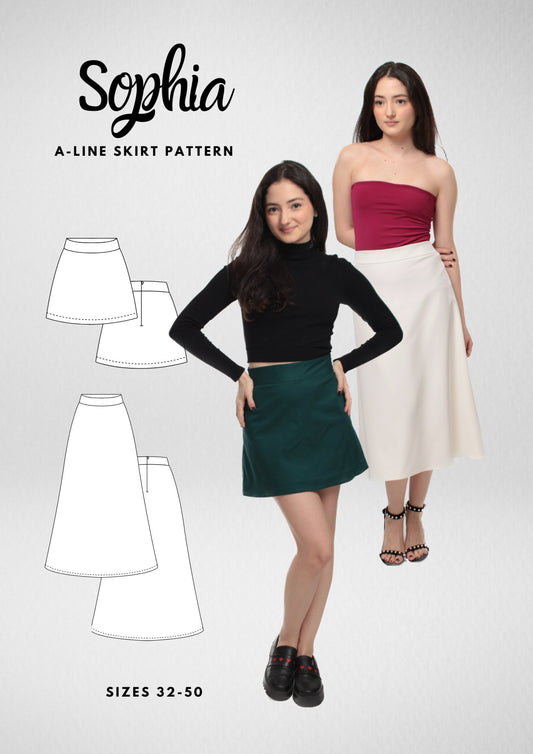
Now that you know your fabrics, the next step is choosing your pattern. If you're just starting out, begin with a simple shape — an A-line skirt, a relaxed top, or a midi dress with minimal seaming. Our beginner sewing patterns are a great place to start, or explore more styles in our Beginner Sewing Pattern Bundle — six patterns at a great value.
Every Friedlies pattern includes a detailed fabric recommendations section, fully illustrated step-by-step instructions, and a free YouTube tutorial — so you'll never be left wondering what to do next. The right fabric, the right pattern, and you're ready to sew something beautiful.
Happy sewing!